

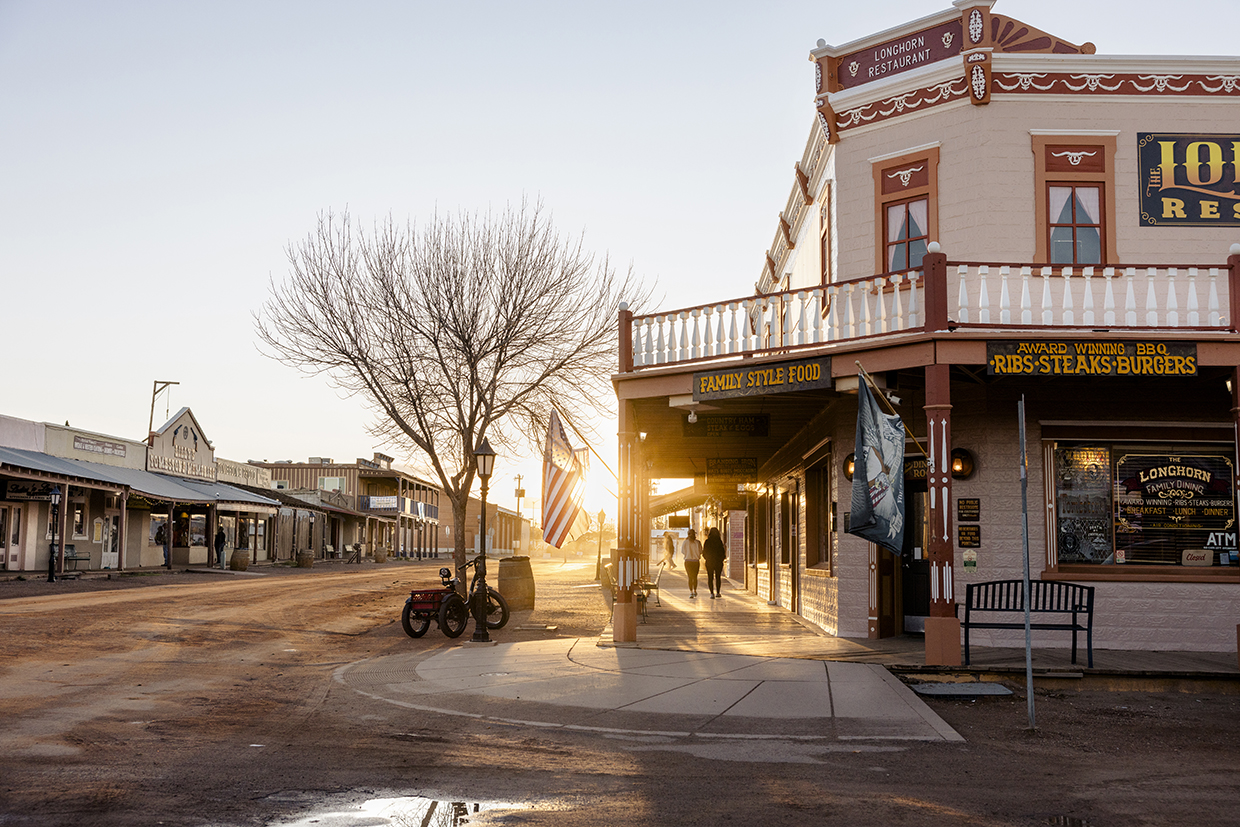
Tombstone
Founded: Late 1870s
County: Cochise
Population: 1,308
Elevation: 4,406 feet
High School Mascot: Yellow Jackets
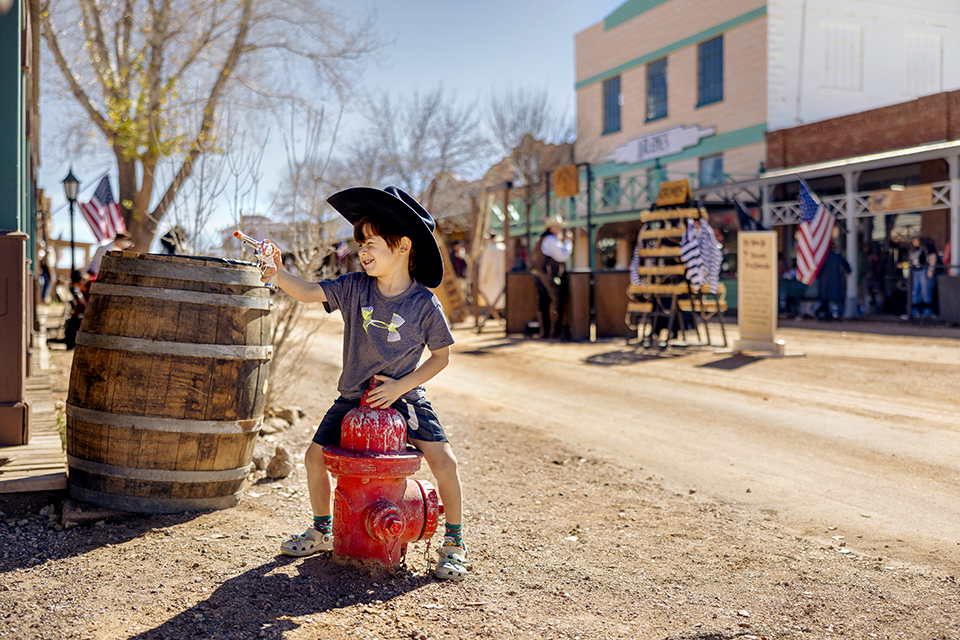
When Arizona was still the Arizona Territory, Ed Schieffelin discovered silver in the hills of what then was part of Pima County. As a result, Tombstone was founded in 1879 on Goose Flat, a mesa above Goodenough Mine. Within two years, the town boasted an ice cream parlor, a school, banks, three newspapers, gambling halls and brothels. And over time, local mines produced $40 million to $85 million in silver bullion.
But Tombstone is best known as “The Town Too Tough to Die,” in large part because of its role in Wild West history. In the 1880s, cattle thefts and the smuggling of liquor and tobacco across the U.S.–Mexico border were prevalent — perpetrated by “cow-boys,” loosely organized affiliations of friends and family members who teamed up to commit those crimes.
Famously, one such outfit met its demise in the gunfight at Tombstone’s O.K. Corral on March 15, 1881. During the confrontation, Deputy U.S. Marshal Virgil Earp and his brothers, Wyatt and Morgan, shot down Tom and Frank McLaury and Billy Clanton, who were suspected of committing a murder during a stagecoach robbery nearby.
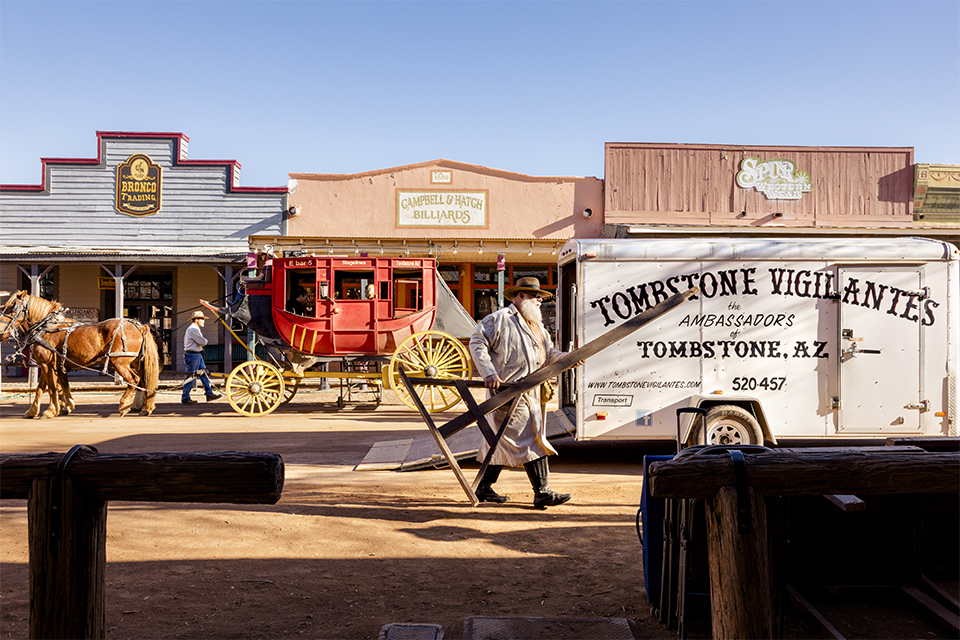
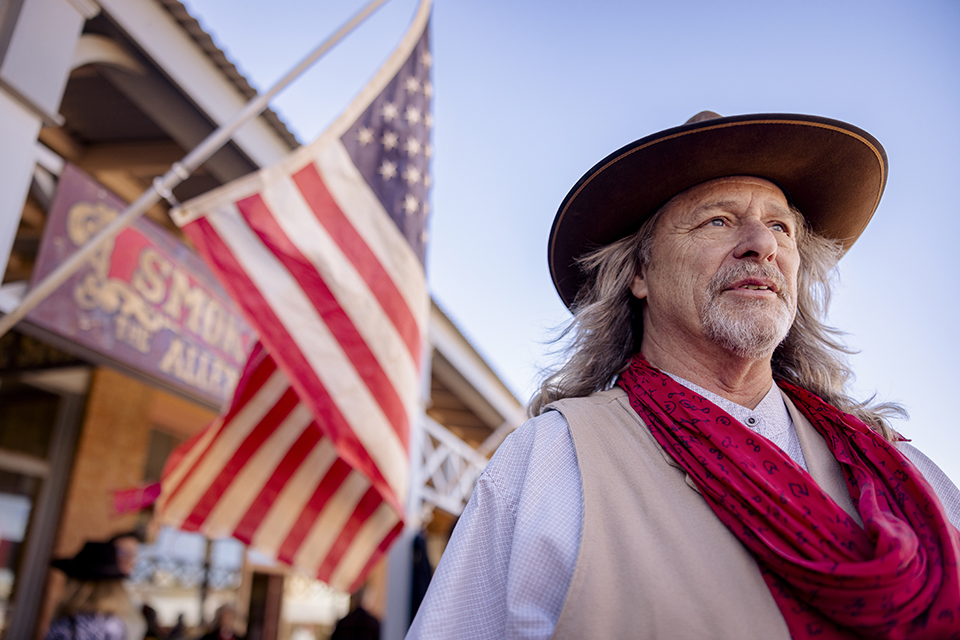
The gunfight became a thing of legend, and today, actors reenact the events for delighted tourists. Steve Reeder, a retired high school teacher and coach, is one of those actors as a member of the Tombstone Vigilantes, a nonprofit re-enactment group, formed in 1948, that funds needs in the community. He moved to Tombstone in 1977, at age 29, after teaching on the Navajo Nation.
“When a job came open, I came down and hired on,” Reeder says. “I knew the O.K. Corral reputation, mainly from TV. But being from a small town in Oklahoma, I could enjoy the small-town atmosphere and just the quaintness of the storefronts and local stores. You walked down the street, you knew all the store owners, you knew the people. It was on the verge of tourism, but [that] wasn’t really the highlight of everything.
“When I joined [the re-enactment group], I didn’t even have a pair of boots. They just said, ‘Would you like to come out and get involved?’ Obviously, I was a lot younger. When I first joined, I was more the [actor who would] get beat up, fall down, take all the punches. I usually played Frank [McLaury] in what we call the Fremont Shootout — or the O.K. Corral.”
Reeder is now in his 39th year with the organization, and his role has changed — he now stars in a skit called “The Old-Timers.” But he says the small-town feel that characterized Tombstone in the late 1970s remains today, fueled by shops, art galleries and antiques stores, as well as a slew of restaurants and saloons, including the Crystal Palace and Big Nose Kate’s, that pepper the main drag.
“Tombstone has changed from ’77 to now,” he says. “But it still has kept, I’d say, a large part of its hometown feeling. It’s easy for a person to move in and be accepted.”
WHERE TO STAY
Hotel Tombstone
Also the home of Allen Street Pies, a beloved pizza restaurant, Hotel Tombstone features four rooms — the Madam’s, Oriental, Cowboy and Cowgirl — as well as a tiny home that’s available for rent. Guests are also welcome to use the common areas, which include a kitchen and a living room.
530 E. Allen Street, Tombstone, 520-457-2405, hoteltombstone.com
Tombstone Miners Cabins
Guests at Tombstone Miners Cabins can choose one of six private cabins, each with a deck. And while there are plenty of modern conveniences, rustic touches such as sinks made from whiskey barrels and pull-chain toilets are reminders of Tombstone’s history.
787 E. Allen Street, Tombstone, 520-910-7982, minerscabins.com
WHERE TO EAT
Big Nose Kate’s Saloon
A massive original bar is the centerpiece of this historic restaurant, which dates to 1880, when it opened in the lobby of the Grand Hotel. It’s named for Mary Katherine Horony Cummings, a Hungarian-born outlaw, gambler, lady of the night and common-law wife of Doc Holliday. The menu offers hearty Western fare, including brisket, burgers and chicken, as well as pizza and calzones.
417 E. Allen Street, Tombstone, 520-457-3107, bignosekatestombstone.com
The Longhorn Restaurant
As the oldest continually operated restaurant in Tombstone, the Longhorn is known for its smoked pork ribs and steaks. Other menu items include shrimp, sandwiches, chili and a variety of sandwiches and wraps.
501 E. Allen Street, Tombstone, 520-457-3405, thelonghornrestaurant.com
ATTRACTIONS
Boothill Cemetery
Among the permanent residents interred at Boothill Cemetery are China Mary, Dutch Annie, Billy Clanton, and Tom and Frank McLaury. Boothill was Tombstone’s first town cemetery, established in 1879; over the years, and with the establishment of a new cemetery in 1884, Boothill lost its popularity and many of the grave markers were stolen or destroyed. When John Clumb, the former editor of The Tombstone Epitaph, returned to Boothill to pay his respects to his late wife in 1929, he became distraught when he couldn’t find her grave. Shortly thereafter, the town came together to revitalize the cemetery, and it’s a popular tourist attraction today.
404 State Route 80, Tombstone, 520-457-1450, discoverboothill.com
Rose Tree Museum
This small museum pays tribute to Tombstone pioneers and includes a substantial collection of Wild West artifacts. The main draw, though, is the “World’s Largest Rose Tree,” which was planted and continues to grow behind what once was known as the Arcade Boarding House. Scottish-born Mary Gee and her friend Amelia Adamson, who ran the establishment, planted the rose tree in 1885. Today, the white Lady Banks continues to thrive.
118 S. Fourth Street, Tombstone, 520-224-4144, tombstonerosetree.com
Superior
Founded: 1902 (post office established)
County: Pinal
Population: 2,407
Elevation: 2,890 feet
High School Mascot: Panthers
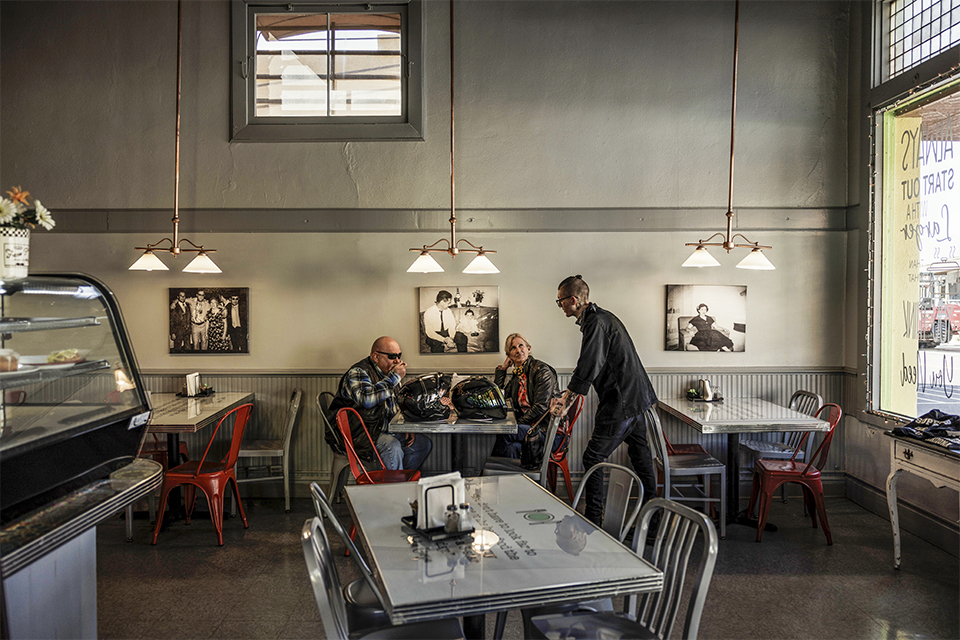
Located approximately an hour east of Phoenix, this small town was built around the veins of silver and copper that were discovered in the surrounding hills.
Charles Mason staked the Silver King claim in March 1875, and the Silver Queen followed shortly thereafter. The resulting mining companies operated until 1896. Fourteen years later, William Boyce Thompson and George Gunn bought the Silver Queen and organized the Magma Copper Co.; before it closed in 1996, the mine had produced 27 million short tons of ore.
Although Superior experienced a period of distress after the mines closed, revitalization efforts have drawn tourists who come in part to explore the area’s history, but also use the town as a hub for activities in the nearby Pinal Mountains.
Arlynn Godinez grew up in Superior and now serves as the director of the Superior Enterprise Center, a nonprofit whose mission is to serve as a catalyst to diversify Superior’s economic base through business services and workforce training.
“When I was growing up, the town was still in its boom,” Godinez says. “When I was a sophomore in high school, the copper mine closed, so I’ve had kind of a unique experience in that I was here when it was highly populated and [had] a lot going on, and when I returned in 2000, it was in the depths of some of the lowest points the town faced.”
The center, she adds, was developed as part of a grander scheme that included revitalizing historic Superior High School to turn it into a multigenerational center. Economic diversification of the town is a priority.
“I didn’t experience it until I left, but there’s a feeling you get as you climb Gonzales Pass, and for me, that’s the only thing that’s ever felt like home,” Godinez says. “It didn’t matter where I was — as soon as I came to that point on my way back, I had, and still have, this overwhelming sense of peace, like this is where I’m supposed to be. So, I think that is why I’ve stayed. I’ve had many opportunities to leave after I returned, but this is home, in so many ways. The people who are here truly care about one another.”
WHERE TO STAY
Hotel Magma
Located in the heart of Superior, this historic hotel, originally a boardinghouse that dates to 1919, was meticulously renovated over five years to bring out its original details. Its arched portico entryway opens onto a large lobby with leather chairs. There, a wide wooden staircase leads to 21 historically appointed hotel rooms.
100 Main Street, Superior, 520-689-2300, hotelmagmasuperior.com
WHERE TO EAT
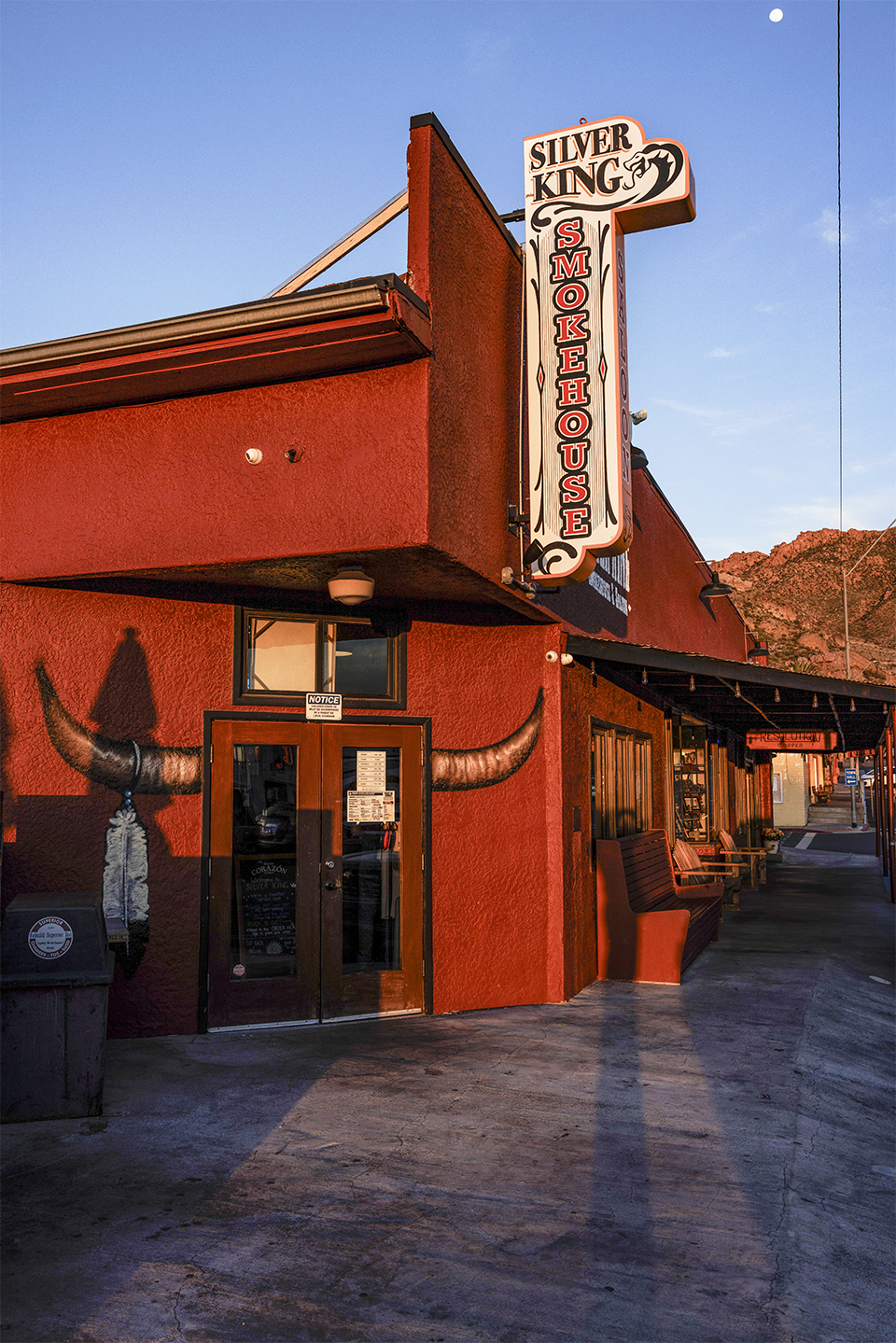
Silver King Smokehouse & Saloon
The motto of this Superior favorite is “Smoked meats that are superior than the rest,” and chef Dell Morris is on a mission to prove it. The menu here includes brisket, turkey, pork butt and spare ribs, as well as a sampler platter that features them all. Each plate is served with pickles, shaved red onions and a slice of local sourdough.
404 Main Street, Superior, 520-689-7100, silverkingbbq.com
Porter’s Saloon & Grill
The open patio at this casual eatery sits alongside a lovely wash with a nearby walking bridge. On a nice day, it’s not unusual for locals to ride their horses up to the restaurant and tie them up outside while they go in to enjoy a bite. Menu items include burgers, tacos, chili and salads.
695 Main Street, Superior, 520-689-5003
ATTRACTIONS
Boyce Thompson Arboretum
Established in 1924 by mining magnate William Boyce Thompson — who believed that plants are the ultimate source of human survival and well-being — this arboretum is Arizona’s oldest and largest botanical garden. The collection of more than 20,000 desert plants from around the globe spans 5 miles of trails in 135 acres of gardens.
37615 E. Arboretum Way, near Superior, 520-689-2723, btarboretum.org
LOST (Legends of Superior Trail)
This easy, 11.65-mile trail (with multiple entry points) spans the area between the Picketpost Trailhead and historic Claypool Tunnel. The path, which winds through stunning Arnett and Queen Creek canyons, is the result of the efforts of the town of Superior, the Tonto National Forest and the Arizona Trail Association, which joined forces to create a community gateway trail to the 800-mile Arizona Trail.
superioraztrails.com
Seligman
Founded: 1886 (current name)
County: Yavapai
Population: 446
Elevation: 5,256 feet
High School Mascot: Antelopes
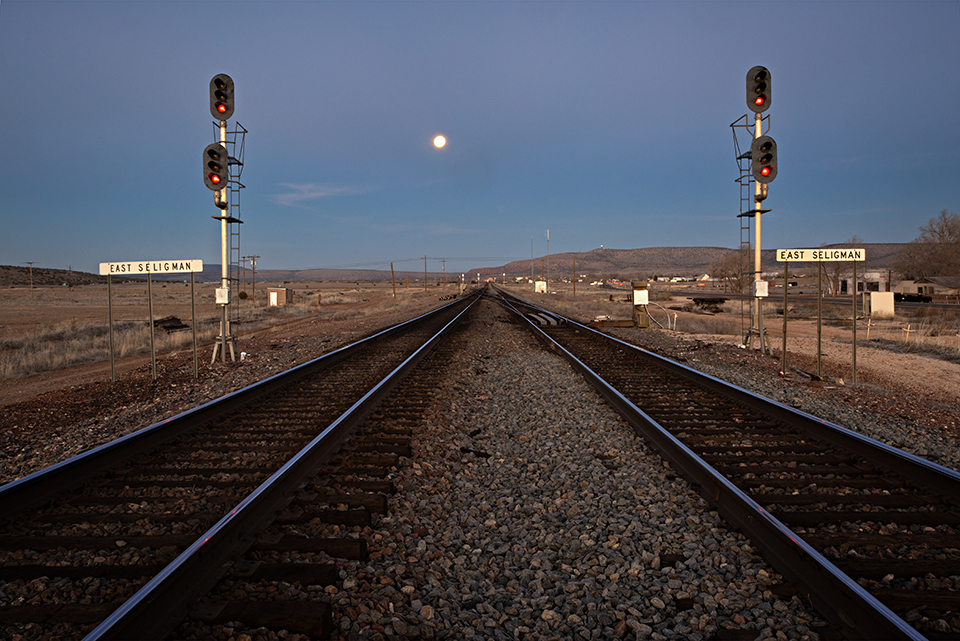
Seligman and the surrounding area are the traditional homeland of the Havasupai people, many of whom now live in the village of Supai, at the western edge of the Grand Canyon. The original townsite was along the Beale Wagon Road and was also a stop on the Mojave Road. Most famously, though, Seligman was a major focus of Route 66, beginning in 1926.
But Angel Delgadillo remembers precisely when Seligman died: September 22, 1978, at 2:30 p.m. That’s when the segment of Interstate 40 from Kingman to Ash Fork opened, bypassing the town.
“You know, when they finished building the freeway in this area, the town died for 10 long years,” Delgadillo recalls. “It was very, very sad. It was like reliving the hard days of when I was a little boy in the Depression.”
So, in 1987, Delgadillo, the proprietor of Angel and Vilma’s Original Route 66 Gift Shop, headed the effort that led to the state designating a portion of the decommissioned Route 66 as Historic Route 66. It saved the town and spurred similar efforts in other states. Today, Seligman is the first stop heading west on Arizona’s longest uninterrupted stretch of Historic Route 66, which runs for around 160 miles to Topock, on the east side of the Colorado River.
The town is a major draw for travelers who love the nostalgia that the Mother Road inspires. Almost every business in town is a mom-and-pop shop, and quirky roadside signs pay tribute to Burma-Shave — with rhyming couplets similar to those the company used to advertise its brushless shaving cream from 1927 to 1966.
What’s more, Seligman is believed to have been the inspiration for Pixar’s Cars, in which the fictional Radiator Springs also had to fight for its survival after being bypassed by the interstate.
“Route 66 will be 100 years old this year,” Delgadillo says. “And we are getting ready to celebrate its 100th birthday. My wife and I, we’ve been married 66 years, and we have lived here since we got married. We raised a son, Angel, and three daughters, Martha, Mirna and Clarissa. … I grew up here, and this is the only town that I knew I would want to live in. Other than going to barber college and serving my apprenticeship in Williams, I have lived here all my life. This is my home. This is my heaven. This is paradise.”
WHERE TO STAY
The Aztec Motel and Creative Space
Since it opened as a guest house in 1915, this Route 66 stopping point has seen countless visitors, especially after an expansion in the 1950s. The property briefly became a restaurant in the ’70s, then served as shops and a private home. Most recently, in 2021, it underwent a total renovation and reopened as a motel. In addition to comfortable accommodations, guests can enjoy the “creative space,” a living room of sorts with books, games and dining space.
22200 W. Historic Route 66, Seligman, 928-455-1015, theaztecmotel.com
The Postcard Motel
This updated boutique motor lodge brings a Palm Springs aesthetic — a peachy-pink exterior with white and turquoise accents inside — to the Mother Road. The property features
26 rooms and modern accommodations, including mini-fridges, microwaves and Wi-Fi. There’s even a small boutique stocked with brightly colored robes, T-shirts and more.
22430 W. Historic Route 66, Seligman, 623-428-1252, thepostcardmotel.com
WHERE TO EAT
Westside Lilo’s Café
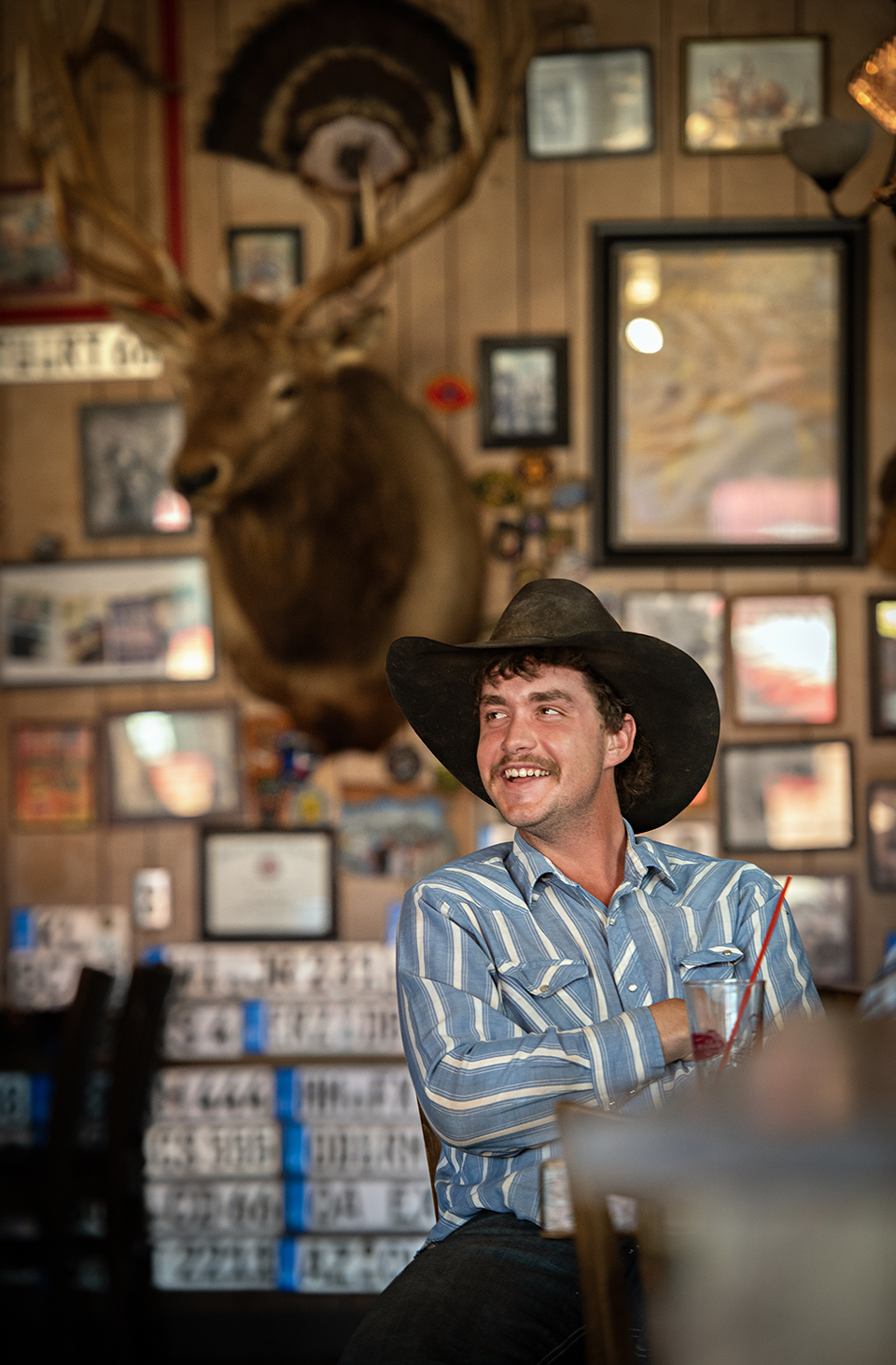
A favorite among Seligman locals and visitors alike, Westside Lilo’s is known for its rustic Route 66 decor, as well as its beefy menu of Black Angus burgers, nachos, Philly cheesesteaks and German staples such as bratwurst and schnitzel. Wiesbaden-born Lilo Russell opened the café with her husband, Pat, in 1996. Today, their daughter Brenda continues the family tradition and still serves the decadent pastries her mother once shared with travelers along the Mother Road. Stop in for a slice of peanut butter chocolate or heavenly chocolate coconut.
22855 W. Historic Route 66, Seligman, 928-422-5456, westsideliloscafe.com
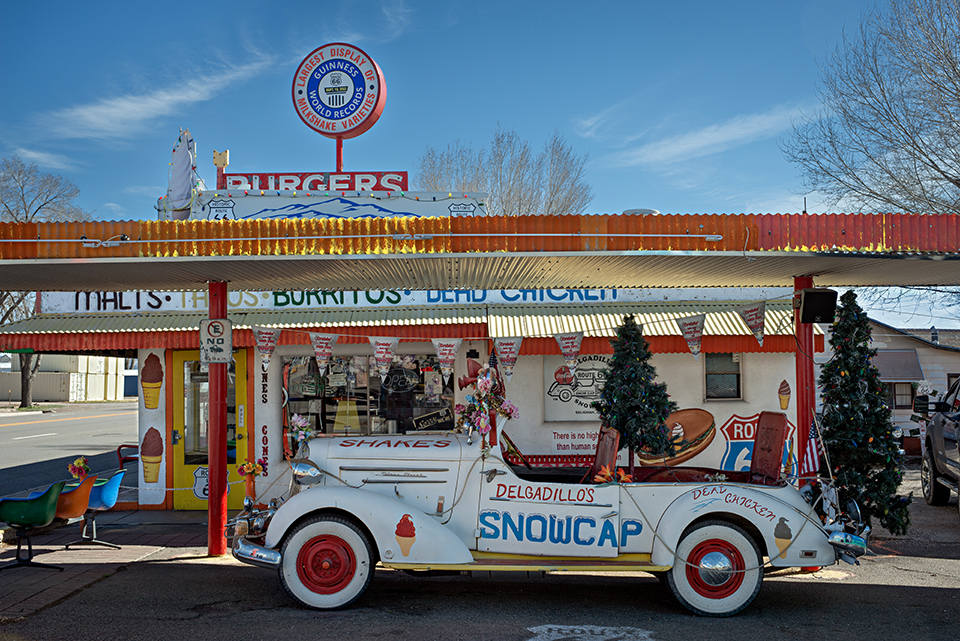
Delgadillo’s Snow Cap
If you haven’t stopped at the Snow Cap for a burger and fries after hiking out of Supai, you’re doing it wrong. This Route 66 icon has been run by the Delgadillo family since Juan Delgadillo (Angel’s brother) built it in 1953. With a menu of burgers, fries, hot dogs, tacos, shakes and cones, along with plenty of outdoor seating amid a sea of Route 66 memorabilia, the Snow Cap is a must-stop.
22235 W. Historic Route 66, Seligman, 928-422-3291
ATTRACTIONS
Route 66 Motoporium and Copper Cart
If you’re visiting Route 66 in search of kitschy gifts and souvenirs, put the Route 66 Motoporium and Copper Cart on your list. It’s part museum, part gift shop, and it offers visitors an opportunity to explore dozens of classic cars, motorcycles and signs, and also purchase key chains, T-shirts and more.
22385 W. Historic Route 66, Seligman, 928-864-8492, route66motoporium.com
Grand Canyon Caverns
These dry caverns, 25 miles west of Seligman, were created more than 65 million years ago within the limestone that once was the bottom of an ancient sea. Owned and operated by the Havasupai Tribe, they’re the largest dry caverns in the U.S. and are open to tours that take visitors 200 feet underground. An inn and restaurant are also on-site.
Milepost 115, Historic Route 66, near Peach Springs, 928-422-3223, gccaverns.com
Safford
Founded: 1874 (first settlers)
County: Graham
Population: 10,129
Elevation: 2,920 feet
High School Mascot: Bulldogs
Joshua Eaton Bailey, Hiram Kennedy and Edward Tuttle ran into some bad luck during the summer of 1873, when high water decimated their work on dams and canals in Gila Bend. So, they ventured east, arriving in the area that’s now Safford in 1874 and laying out the townsite and a few crude buildings. The town was incorporated in 1901 and named for Territorial Governor Anson P.K. Safford.
Today, the town is known for being the seat of Graham County, as well as a jumping-off point for adventures in the Pinaleño Mountains. The peaks offer the most vertical relief (7,000 feet) of any mountain range in Arizona, and they’re a popular destination for hikers, cyclists, backpackers and campers.
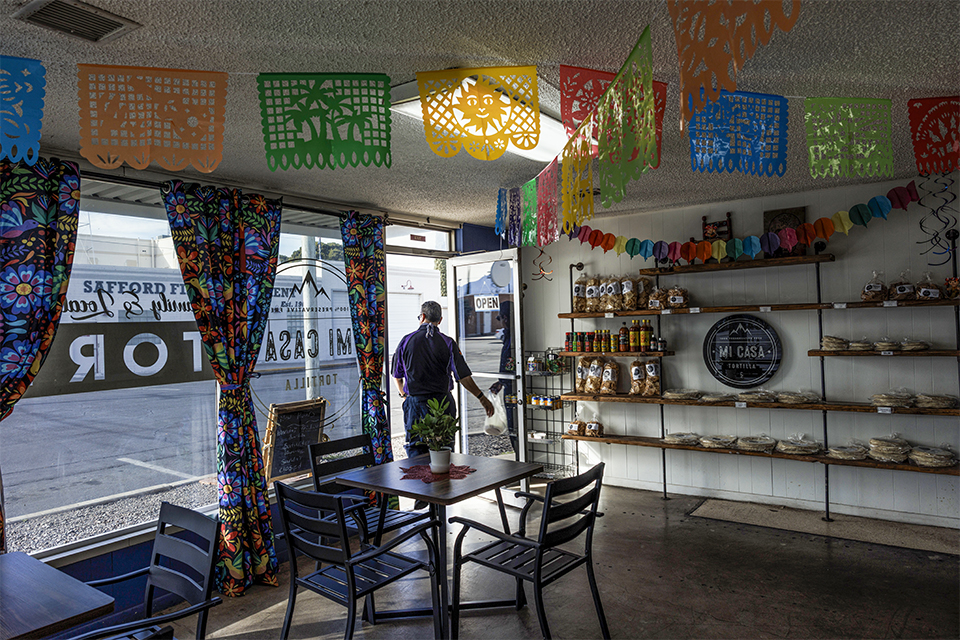
Both sides of Amy Rhodes’ family have lived in Safford for generations, and the metalsmith and jewelry designer is attracted not only to the area’s hometown feel — including Casa Mañana, which she describes as having “the most delicious food in the whole valley” — but also to its landscape.
“If you’re drawn to nature and the outdoors, there’s so much to do in the valley — horseback riding, four-wheeler riding, hunting, fishing,” Rhodes says. “We would grow up riding four-wheelers and horses. We would be gone from morning until it was dinnertime, all day — shredding four-wheelers and horses, building forts everywhere.”
She adds that hot springs and hot tubs pepper the valley, and she fondly recalls regular soaks with her friends and family as she was growing up, sometimes after gathering “Saffordites,” which she describes as weathered-glass stones. Rhodes and her dad still collect them by walking in the sunlight and looking in their shadows.
And then, she says, there’s Mount Graham. “I can’t express how incredibly magical Mount Graham is,” Rhodes says. “It’s known as a sacred portal by the Apache tribes and is protected. There are so many things to do and so many types of terrain. And at the top of Mount Graham is Riggs Lake. It’s a bit of a haul to get to. You can take kayaks, but you can’t take anything motorized. But that’s part of the beauty of it.”
WHERE TO STAY
Cottage Bed and Breakfast
Built in 1890 by cattle rancher and Graham County Sheriff Joseph Graves Olney, the Colonial Revival-style Olney House is on the National Register of Historic Places and reflects the era of Western expansion. Today, three separate accommodations are available on the property: a bungalow, a cottage and the historic home.
1104 S. Central Avenue, Safford, 928-278-3752, cottagebedandbreakfast.com
WHERE TO EAT
Frontier Steak & Spirits
The extensive menu at this popular restaurant includes steaks, burgers, wings and heaping baskets of golden-fried chicken fingers, shrimp or cod. The restaurant’s wine list features offerings from nearby Willcox.
1206 E. U.S. Route 70, Safford, 928-348-8400
Casa Mañana
Rolled tacos, cheesy chimichangas, sizzling fajitas and carne asada tortas are among the favorite menu items at this beloved Mexican restaurant. The Gabaldon family started the business in their home in 1951 and, after serving for generations, decided to retire in 2004; they handed off operations to Diane and Dan Hoopes, who keep the traditions alive today.
502 S. First Avenue, Safford, 928-428-3170, casacrave.com
ATTRACTIONS
Swift Trail
State Route 366, also known as the Swift Trail, winds for 33.2 miles toward the summit of Mount Graham. After numerous hairpin turns, at an elevation of around 6,000 feet, you’ll begin seeing piñon pines along the road. Then, as you gain more and more elevation, they’ll be replaced by ponderosa pines, spruce and firs. Near the top, you can turn off for a visit to Riggs Lake.
Safford Ranger District, 928-428-4150, fs.usda.gov/coronado
Mount Graham International Observatory
Eastern Arizona College’s Discovery Park Campus conducts weekend tours of the Mount Graham International Observatory from mid-May through October (weather permitting). Telescopes at the observatory include the Vatican Advanced Technology Telescope and the University of Arizona’s Submillimeter Telescope.
1651 W. Discovery Park Boulevard, Safford, 928-428-6260, eac.edu/community/discovery-park
Cornville
Founded: Mid-1880s (post office established)
County: Yavapai
Population: 3,362
Elevation: 3,455 feet
High School Mascot: Marauders (Mingus Union High School)
If you believe in local lore, Cornville was misnamed. As the story goes, Verde Valley pioneers intended to name the community either Cohnville or Coneville, after one of the families living there. When the paperwork returned from Washington, D.C., though, the pioneers’ submission had been read as “Cornville,” and the name stuck.
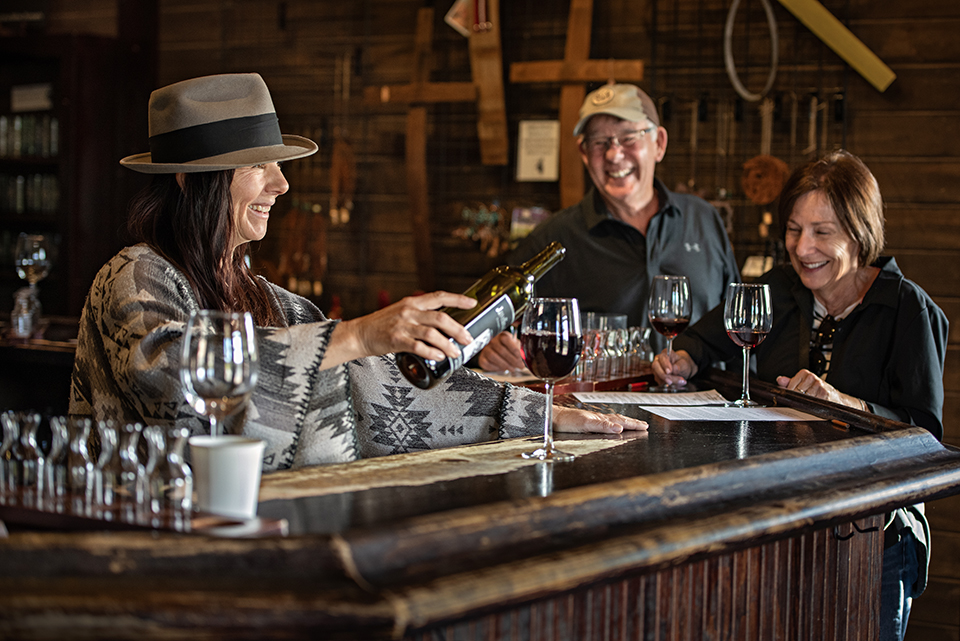
The Cornville post office was established around 1885, and today, the community is known for its terroir — which helps boost the region’s status as a major Arizona wine destination — as well as its access to the Verde River and the recreational opportunities that go along with it.
Judy Miller, a 28-year-resident of Cornville, moved to the community after retiring from a career in the U.S. Forest Service and the Bureau of Land Management. Now, she’s leading the effort to create a series of public murals for the Cornville Community Association. Most importantly, Miller is grateful for the opportunity to live in a place she calls “a little winding place of green.”
She says: “We’re like a little separate world. You drive out of Cottonwood, and you don’t even hardly know we’re there until you go over a certain hill and wind down certain roads, and then you see it. A lot of people call [Cornville] an oasis, because it’s green down through the valley. Oak Creek is a meandering creek and goes back and forth, back and forth, 23 miles through our postal area.”
That water nourishes the grapes that Verde Valley neighbors such as Maynard James Keenan — of rock band Tool and Caduceus Vineyards fame — and beloved Page Springs Cellars winemaker Eric Glomski use to highlight Arizona’s wine industry.
“We don’t have hotels or a grocery store or anything in Cornville,” Miller says. “We just have a couple of restaurants and a couple of gas stations nearby. And, of course, the vineyards. We’ve got five tasting rooms now. That’s been a new phenomenon. … It’s a simple life. People long for that.”
WHERE TO STAY
Taawaki Inn
This nearby hotel is the first Hopi lodging venture constructed off tribal land, and it features design elements that mimic traditional Hopi architecture: beams with wooden slats; a whitewashed look to the walls, to reflect the tribe’s seasonal cleansing rituals; and an extensive collection of original artwork, including a Duane Koyawena mural behind the reception desk. It’s located in Clarkdale, approximately a 15-minute drive from Cornville.
441 S. Broadway, Clarkdale, 928-365-9668, taawakiinn.com
Acoustic Cellars Lodge
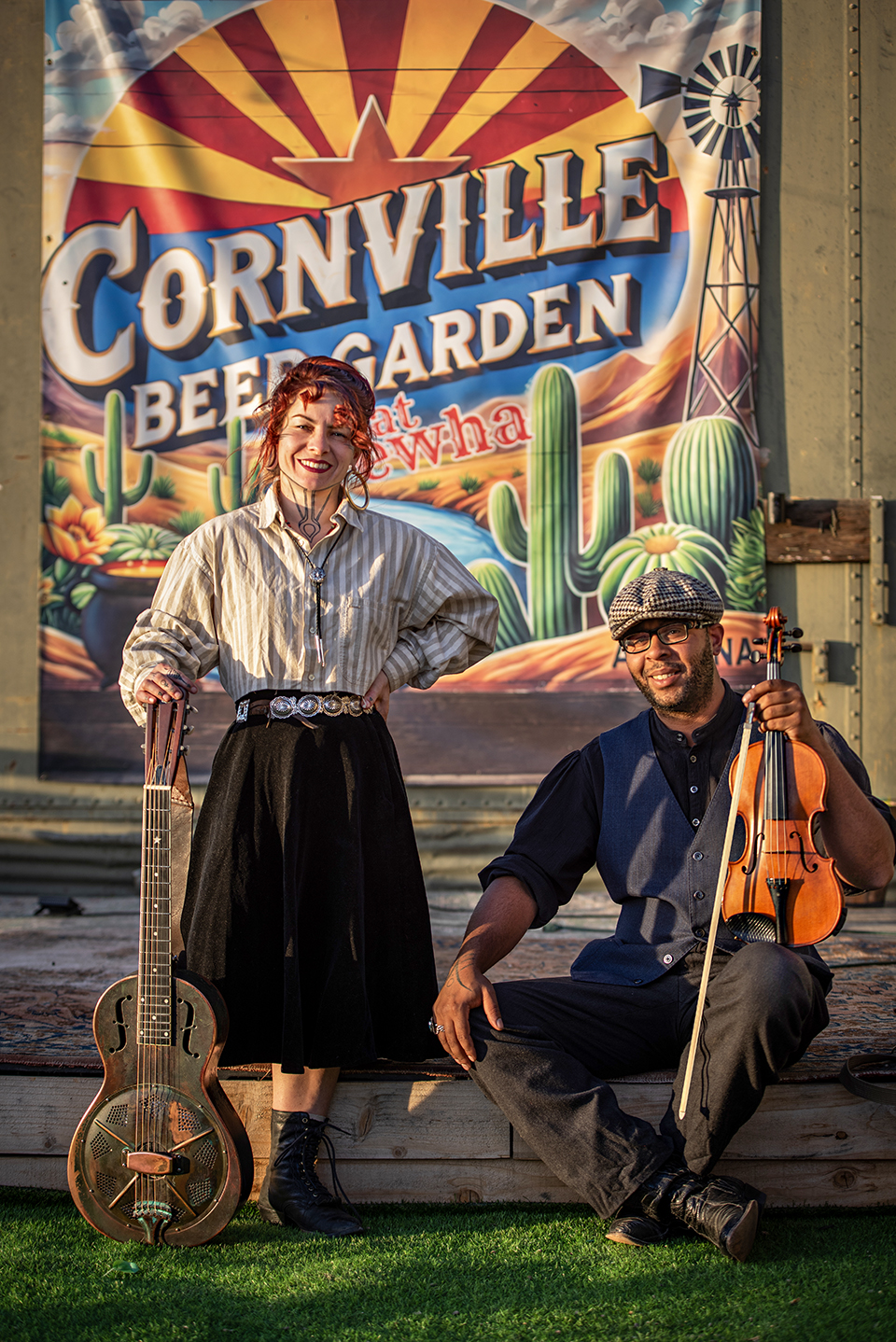
Owned by Blues Hall of Fame musician Jay Morton, Acoustic Cellars Lodge is a boutique bed and breakfast. The property features lush gardens, walking paths, firepits, pickleball courts, and pastures with cows and alpacas. Five suites are available to guests, and the lodge is home to AZ Wine Crawler, a private tour of the area’s top wine destinations.
10580 E. Swinging Bridge Lane, Cornville, 833-225-6343, acousticcellarslodge.com
WHERE TO EAT
Up the Creek Bistro & Wine Bar
Located in a former gas station with sweeping views of Oak Creek, this charming restaurant features a menu heavy on steak, elk and lamb dishes, as well as a wine list reflective of the neighboring vineyards. Chef and owner Jim O’Meally is also a mean piano player, entertaining guests with renditions of melodies, from Chopin, the Grateful Dead and more.
1975 N. Page Springs Road, Cornville, 928-634-9954, upthecreekaz.com
Manzanita Restaurant
The Manzanita has been serving traditional German food in the Verde Valley since 1991. Known for its unique menu — which includes sauerbraten and Wiener schnitzel, along with bison tenderloin and chicken Marsala — the restaurant is a Cornville staple. And, as you’d expect, it, too, has an extraordinary wine list.
11425 E. Cornville Road, Cornville, 928-634-8851, themanzanitarestaurant.com
ATTRACTIONS
Page Springs Cellars
In addition to a selection of its own wines, Page Springs Cellars offers an extensive menu of fresh, local cuisine, as well as tours of its vineyards and production facilities. The sustainable winery is also the host of the Tilted Earth music festival, which takes place each summer and benefits Friends of the Verde River and Yavapai Big Brothers Big Sisters.
1500 N. Page Springs Road, Cornville, 928-639-3004, pagespringscellars.com
Bubbling Ponds Fish Hatchery
Birders delight in the Bubbling Ponds Fish Hatchery, where it’s common to see western tanagers, cedar waxwings, northern cardinals and more. Of course, the hatchery, managed by the Arizona Game and Fish Department, produces fish as well. Up until 1980, the hatchery raised trout; today, you’ll find endangered razorback suckers there.
1970 N. Page Springs Road, Cornville, 928-649-1297
Pinetop-Lakeside
Founded: 1984 (incorporated as single town)
County: Navajo
Population: 4,030
Elevation: 6,805 feet
High School Mascot: Yellow Jackets
David Penrod built the first sawmill in what now is Pinetop-Lakeside in 1891, and until 1906, the community was inhabited mostly by members of his family (including his 13 children). But during that stretch, along came Walt Rigney, the proprietor of a saloon that primarily served soldiers at nearby Fort Apache. Rigney was so towering in stature that those soldiers gave him the nickname “Pinetop.” It stuck. And the local post office adopted it in 1895.
Although Lakeside’s origin story isn’t quite as exciting — it was named for the reservoirs that are prevalent in the region — the two small towns merged in 1984, tying together their shared heritage, as well as their reputations as summer resort destinations.
Covering just 11.24 square miles, Pinetop-Lakeside is a major draw for people looking to escape summer’s high temperatures. In the 1950s, Jim Snitzer became one of them when he began visiting with his mother, two brothers and sister.
“We wandered over the hills, and when we got thirsty, we drank out of a stream,” Snitzer recalls. “We would hold our teeth together to filter the water, and I guess it kept out any bugs. Logging was still a big thing then. They had tourist cabins [and] they had some rental boats, but tourism wasn’t nearly the business it is today. Winters were hard. Nobody was prosperous, and everybody worked very hard. They took care of each other.”
Snitzer moved permanently to Pinetop-Lakeside in 2005 to live on 4 acres on Rainbow Lake. His grandfather bought the property from Junius Hansen, a son and heir of Niels Hansen, who’s been called the “Father of Lakeside.”
Today, Snitzer volunteers for TRACKS, an organization that develops, maintains and improves non-motorized trails, as well as the White Mountain Nature Center, the Optimist Club and his church.
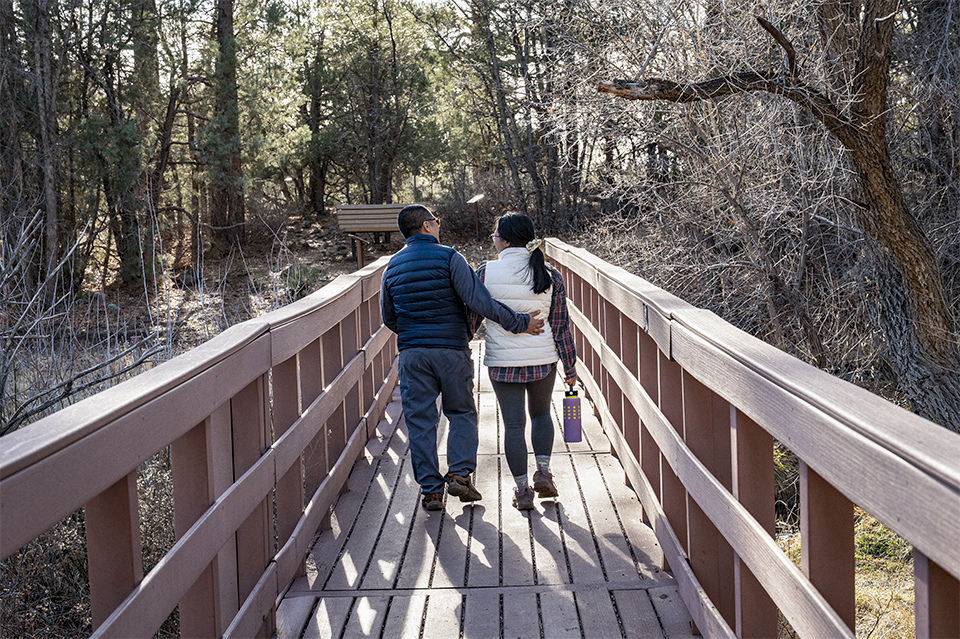
“Now, it’s a much more prosperous area, because we have all the summer people who come up, and that provides jobs for everybody who lives here,” he says. “People come up to get out of the heat, to get out of the crowds and just enjoy the climate and the countryside. There are 200 miles of hiking trails right around town, and there are motorized trails, too. People who come here either come for a reason, or they find a reason and stay. If you spend a year here and you don’t spend it inside your closet, pretty soon you’ll just fit in and see friends everywhere.”
WHERE TO STAY
Lake of the Woods Resort
With a private stocked lake, 26 cabins and seven condo-style units, Lake of the Woods Resort offers its guests an opportunity to feel at home while away from home. Among the amenities are kitchens or kitchenettes, decks, fireplaces and access to the resort’s grills. What’s more, guests can use the lake for boating or fishing at their leisure.
2244 W. White Mountain Boulevard, Pinetop-Lakeside, 928-368-5353, lakeofthewoodsaz.com
Corduroy Lodge
This boutique destination offers three ways to stay: in one of seven vintage Airstream trailers, in a lodge room or in one of three historic cabins. The property is on the historic Penrod homestead and affords guests the opportunity to lounge, play yard games or access one of several nearby hiking trails.
2012 E. White Mountain Boulevard, Pinetop-Lakeside, 928-940-2490, corduroyboutiquelodge.com
WHERE TO EAT
Munich Haus
It’s no secret that German chefs (and connoisseurs of the cuisine) have an affinity for sausages, from bratwurst and knackwurst to good, old-fashioned frankfurters. And then, of course, there’s German beer — which, according to the country’s traditional standards, must be made from only three ingredients: water, malt and hops. You might not expect to find these Old world standards in Pinetop-Lakeside, but Munich Haus, a family restaurant and beer garden, serves up the White Mountains’ most authentic German fare — even Reuben balls.
2044 E. White Mountain Boulevard, Pinetop-Lakeside, 928-367-4287, munichhauspinetopaz.com
Los Corrales
This family Mexican restaurant is one of the most popular in the White Mountains — and with good reason. Chile verde, chile colorado, carnitas, tacos and more are served in generous portions. In addition, there’s a surprising selection of seafood dishes, including campechana, a bowl of fresh octopus, scallops and shrimp.
845 E. White Mountain Boulevard, Pinetop-Lakeside, 928-367-5585
ATTRACTIONS
White Mountain Nature Center
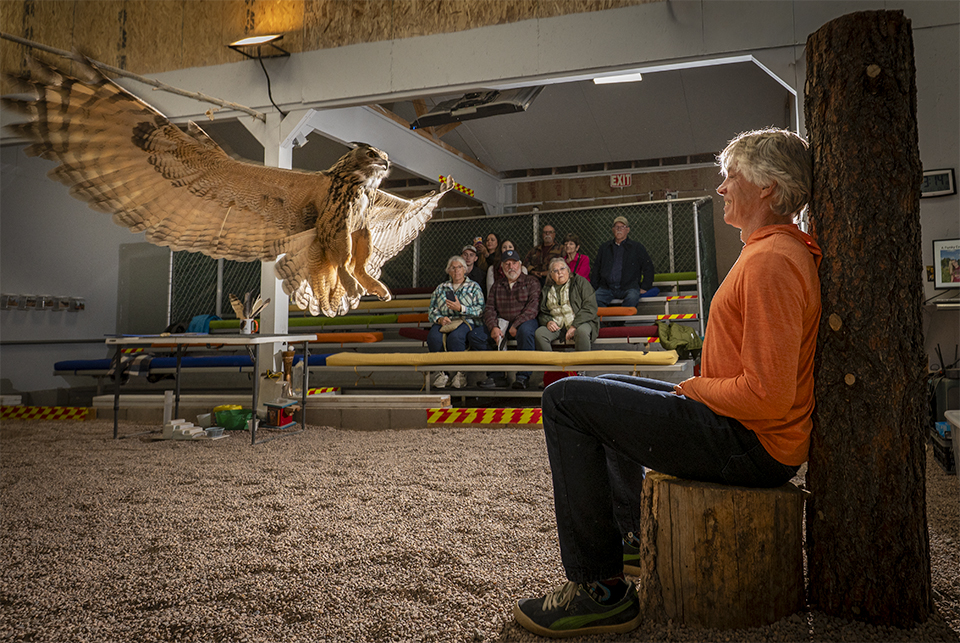
The White Mountain Nature Center opened in 2004 as a nonprofit dedicated to highlighting the biodiversity of the White Mountains. As part of those efforts, the center hosts a raptor flight show, which gives visitors an opportunity to experience several birds of prey, including Garfunkel, a Eurasian eagle-owl; Speedy, a red-tailed hawk; and Astro, an Aplomado falcon. Shows run several times each week, and tickets are available online in advance.
425 S. Woodland Road, Pinetop-Lakeside, 928-358-3069, wmnature.com
Pinetop Olive Oil
Sharon and Dave Kirkey opened Pinetop Olive Oil in 2013, bringing olive oils from Spain, France, Italy and Greece, along with condiments and spices, to the White Mountains region. “If you’re looking to get healthy and eat healthy, just come into the store and taste — your taste buds will tell you [what you like],” Sharon said in an Arizona Highways story that ran in June 2022. “After customers have tasted a couple of them, they get an idea of what the differences are. Some are grassy, some are nutty, others are buttery.”
1684 E. White Mountain Boulevard, Pinetop-Lakeside, 928-367-6544, pinetopoliveoil.com
Chinle
Founded: 1882 (first trading post established)
County: Apache
Population: 4,573
Elevation: 5,506 feet
High School Mascot: Wildcats

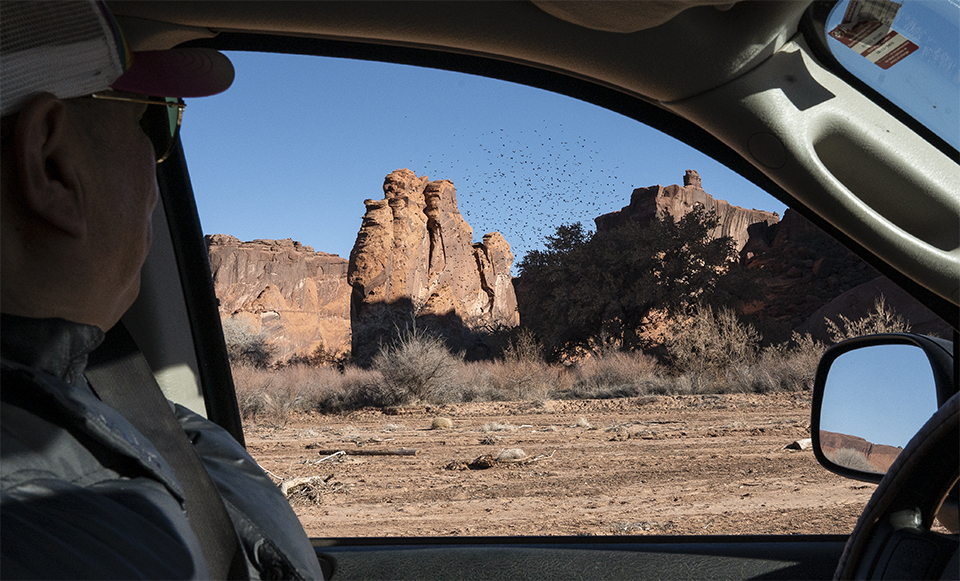
Chinle (Ch’ínílį in Diné) is best known as the gateway to Canyon de Chelly National Monument, which was established in 1931. But the history of the community runs much deeper, and it’s one that’s both beautiful and tragic. The Navajo people and their ancestors — including the Archaic people, Basketmakers and Ancestral Puebloans — have inhabited the region for more than 5,000 years, working crops and thriving in the shadows of cottonwood, willow and juniper trees. When Spanish soldiers arrived in the early 19th century, they brought violence with them. In 1805, Lieutenant Antonio Narbona led an expedition into Canyon de Chelly that resulted in the murder of more than 100 Navajos at Massacre Cave.
Decades later, after the Mexican-American War, the relationship between the Navajo people and the United States government deteriorated. Kit Carson and his soldiers raided Canyon de Chelly, slashing crops, slaughtering livestock and driving the Navajo people out of the canyon as part of what now is known as the Long Walk to captivity at Fort Sumner, New Mexico. An 1868 treaty enabled the Navajos to return to their ancestral homelands, and trading posts began to emerge. One of those, Thunderbird, was built in 1896, and today, it serves as a lodge and restaurant, catering to the 400,000 people who visit Canyon de Chelly each year.
For the people who live in Chinle, though, the canyon is more than a stop during a road trip. Shaun Martin is Diné and the principal of Chinle Junior High School. He’s also the founder of the Canyon de Chelly Ultra, a 55-kilometer ultramarathon through the canyon.
“Canyon de Chelly is considered a sacred place to all Navajo people,” Martin says. “There are many significances of the canyon in our creation story and how we came about in this world, and why we have some of the things we have in our culture, like weaving. Navajo rugs are a big part of our culture, and Spider Woman is the deity who taught the Navajo people how to weave. We believe Spider Woman herself lived and continues to live as a deity on Spider Rock.”
Martin grew up in a small community south of Lake Powell but moved to Chinle after meeting his wife. (In the Navajo tradition, men move to live with the wife’s family; that wasn’t necessarily the couple’s intention, but Martin calls it “fortuitous” that it worked out that way.) They both graduated with degrees in education from Northern Arizona University, and Chinle had teaching positions for both of them, as well as an opening to coach cross country and track and field — sports in which Martin was an athlete at NAU.
It was an ideal fit: The Chinle Unified School District is well known for its athletic programs, including basketball. In 2019, Netflix even released a six-part documentary series about the 2017–18 Chinle High School Wildcats as they pursued a 3A basketball state title.
“Chinle’s home,” Martin says. “It’s where my wife’s family is and has been. Her ancestral roots and traditional Navajo homesite and dwellings are here, near Spider Rock, which is a very significant cultural place to all Navajo people, but especially to us. We had a traditional Navajo wedding in our hogan up there at the family’s homesite.”
WHERE TO STAY
Thunderbird Lodge
As the only hotel at Canyon de Chelly, the historic Thunderbird Lodge serves as lodging, restaurant, tour operator and trading post. Its 74 rooms offer king or queen beds, satellite television and other standard amenities. Some rooms are even pet friendly.
Navajo Route 7, Chinle, 928-674-5842, thunderbirdlodge.com
WHERE TO EAT
Thunderbird Lodge
The cafeteria-style restaurant at Thunderbird Lodge features a menu stocked with tradition, including Navajo tacos, chili beans, fry bread and a stew of
the day. Breakfast, served daily until 10:30 a.m., means blue corn pancakes and plenty of eggs, sausage and biscuits.
Navajo Route 7, Chinle, 928-674-5842, thunderbirdlodge.com
ATTRACTIONS
Canyon de Chelly National Monument
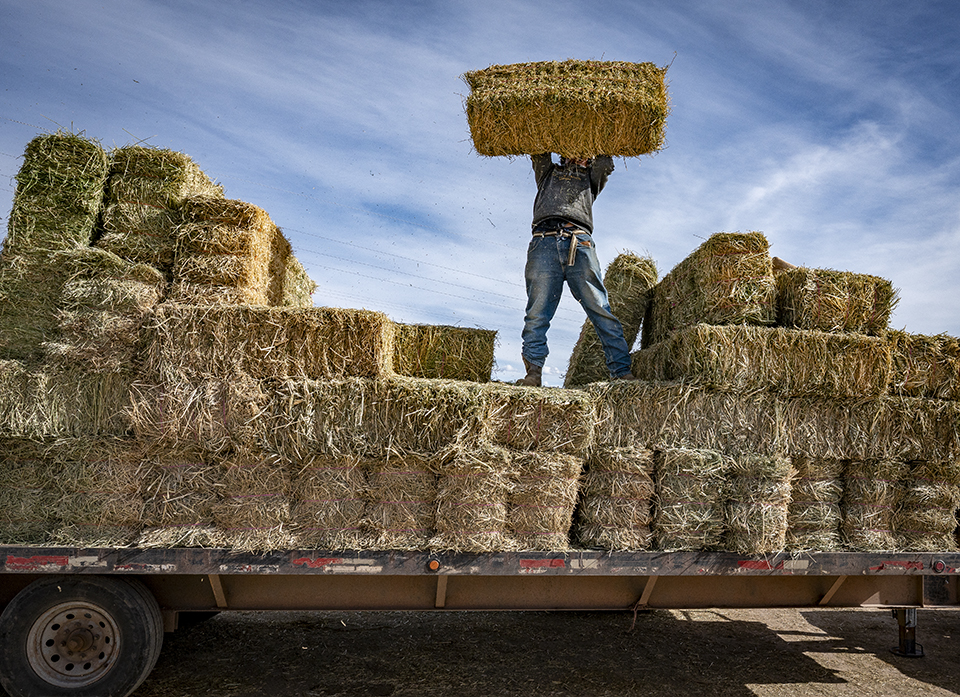
The Navajo Nation and National Park Service work in tandem to manage this national monument, which was established in 1931. Visitors can absorb the views from lookouts on the north and south rims of the canyon for free; there’s also no fee for the White House Trail, a 2.5-mile round-trip journey that descends 600 feet into Canyon de Chelly. However, exploring the ancient dwellings, petroglyphs and more at the bottom of the canyon requires a tour with an experienced Navajo guide, many of whom live in Canyon de Chelly.
928-674-5500, nps.gov/cach
Hubbell Trading Post National Historic Site
This historic destination, less than 40 miles south of Chinle, is the oldest continually operating trading post in the American Southwest. It supports Navajo artists who have mastered weaving, jewelry-making, beading and other traditional crafts. It’s open daily from 8 a.m. to 5 p.m.
U.S. Route 191, Ganado, 928-755-3475, nps.gov/hutr
Crown King
Founded: 1888 (post office established)
County: Yavapai
Population: 194
Elevation: 5,771 feet
High School Mascot: Badgers (Prescott High School)
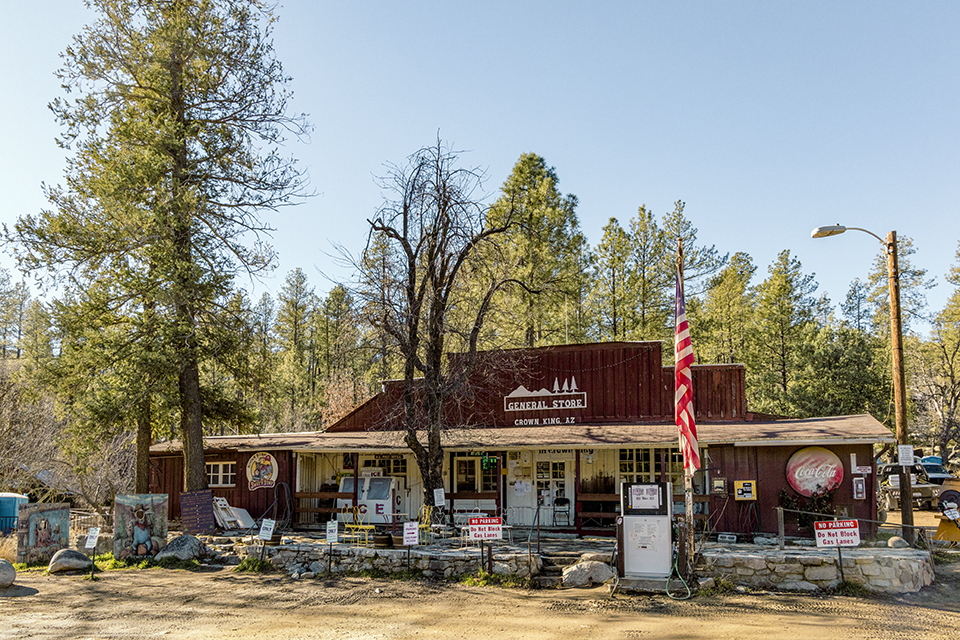
It isn’t easy to get to Crown King. It’s tucked away along the Senator Highway, just under 30 miles west of Interstate 17, and accessed via a winding, rocky road that’s best traversed in a well-equipped high-clearance vehicle. Today, the former gold-mining hub is home to fewer than 200 people.
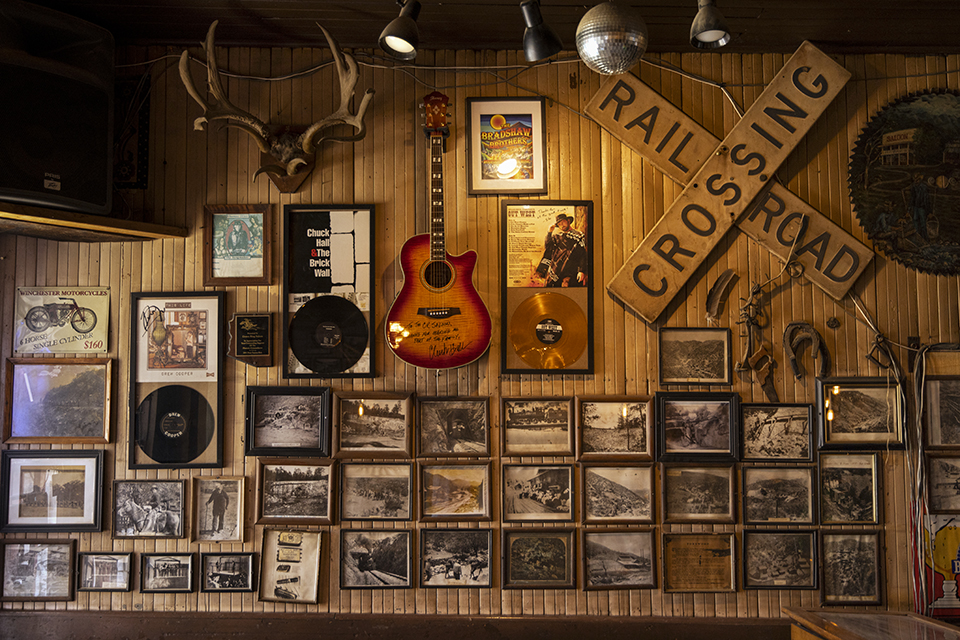
Rod McKinnon filed the first recorded gold claim in Crown King in 1875, and in the years that followed, an estimated $2 million worth of ore was pulled from the land. During its heyday, Crown King boasted 500 buildings, including a post office, a Chinese restaurant, company stores and boardinghouses. The town was also the terminus of the Bradshaw Mountain Railroad, built along a series of switchbacks between Mayer and Crown King.
Although the area’s mines closed in the 1950s, Crown King remains a popular tourist destination, especially for off-roaders and fly fishermen. Horsethief Basin Lake is a 6.6-mile drive down the Senator Highway.
Tony Nelson, who’s served as the pastor of Crown King Community Church for the past 18 years, has roots that run deep in the community: His great-grandfather arrived to stake a mining claim in 1878.
“My great-aunt wrote a little history about Crown King — a very brief one — but here is the bottom line of it,” Nelson says. “She said, ‘We see all of these movies and stories of the bad men and the gunfights and all of that, settling the West. But it was really the people who pulled together and cooperated with each other, and who helped each other. If somebody was in trouble, they would help each other, and that’s the way they survived. They made do and had a good life.’ ”
Although there are a lot of casual recreation-seekers who pass through Crown King on a regular basis, Nelson says his great-aunt’s sentiments still prevail. “I think it’s still that way in this town,” he says. “There’s a lot of new people — a lot of people now I don’t even know — but that feeling, that aura of togetherness, to help each other, is still here.”
WHERE TO STAY
Crown King Cabins, Suites and Bunkhouse
This Crown King staple features five suites, four cabins and a large bunkhouse. The cabins include full kitchens and are tucked amid a stand of pines. Guests can enjoy the property’s lush gardens, as well as barbecues for public use.
7267 Main Street, Crown King, 928-632-4477, crownking.com
Cedar Roost Inn
Four rooms with private decks are available at this cozy inn, which offers extensive views of the Bradshaw Mountains, as well as plenty of privacy. Each room is equipped with a refrigerator and a coffee maker.
23321 S. Gladiator Mine Road, Crown King, 928-632-5564, crownkinglodging.com
WHERE TO EAT
Crown King Saloon and Café
Originally built in nearby Oro Belle and relocated to Crown King in 1916, Crown King Saloon and Café, constructed in 1890, is one of the oldest continuously running bars and saloons in Arizona. Its menu features hearty burgers and sandwiches, as well as chili, salads and plenty of fried bar fare.
7219 Main Street, Crown King, 928-632-7053, crownkingsaloon.com
The Mill
Comfort food, including prime rib, Sante Fe turkey and tequila lime chicken, are among the menu items at this casual restaurant. The rustic dining room is decorated with mining artifacts, and a patio affords diners sweeping mountain views, as well as an opportunity to mingle with the hummingbirds that frequent it in warmer months.
23670 S. Mill Avenue, Crown King, 928-632-7133, crownkingfun.com
ATTRACTIONS
Crown King General Store
Since it opened in 1904, the Crown King General Store has served as a hub for the community — it features the town’s only gas pump, as well as its post office. Visitors can shop for souvenirs and the store’s “world famous” homemade fudge, which comes in a variety of flavors.
1 Main Street, Crown King, 928-632-7911
Horsethief Basin Recreation Area
This area, just a short drive from Crown King, is operated by the U.S. Forest Service and offers visitors a slew of recreational opportunities, including camping, horseback riding, fishing, hiking, mountain biking and off-highway-vehicle riding. The Forest Service recommends a high-clearance vehicle for access.
Prescott National Forest Supervisor’s Office, Chino Valley, 928-777-2200, fs.usda.gov/prescott
Tubac
Founded: 1752 (presidio built)
County: Santa Cruz
Population: 1,581
Elevation: 3,209 feet
High School Mascot: Hawks (Rio Rico High School)
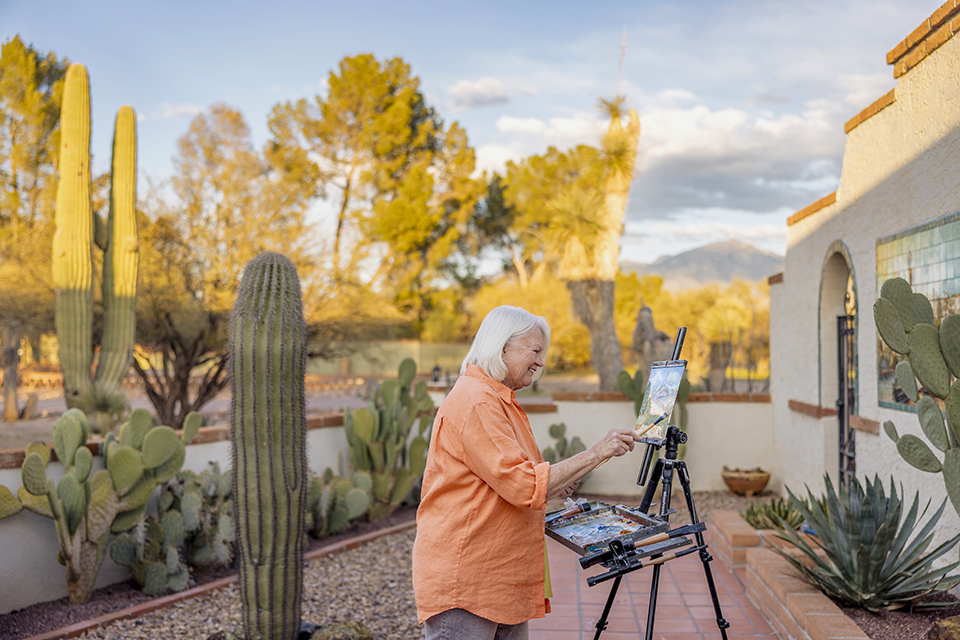
When Karrin Topping left a corporate job in San Francisco and arrived in Tubac 20 years ago, she didn’t really know what to expect from the small Southern Arizona community. She came to take care of her aging parents, who were living in Green Valley, but before long, the decision to stay became an easy one.
“When I first came to Tubac, I had no idea how wonderful a place it is,” Topping says. “It’s a community that supports the arts, and it supports this valley and living in this rural area. We keep it vital and an attractive place, because we’re a Starbucks-free zone. And we want to keep it that way.”
Topping, the executive director of the Tubac Center of the Arts, works to bring artists from all over the country to Tubac. Many of them enter the center’s Aqueous exhibition. “It’s water media from all over the country, and people come in here and they go, ‘Oh, wow,’ ” she says. “They didn’t expect to see such a wonderful place where they can see art from everywhere. Of course, we have a lot of Tubac artists who are members, and we do two member shows a year.”
Situated on the Santa Cruz River, Tubac was established as a Spanish presidio in 1752. While he was stationed there from 1760 to 1776, Juan Bautista de Anza built the chapel of Santa Gertrudis de Tubac; its foundation lies beneath the modern St. Ann’s Church.
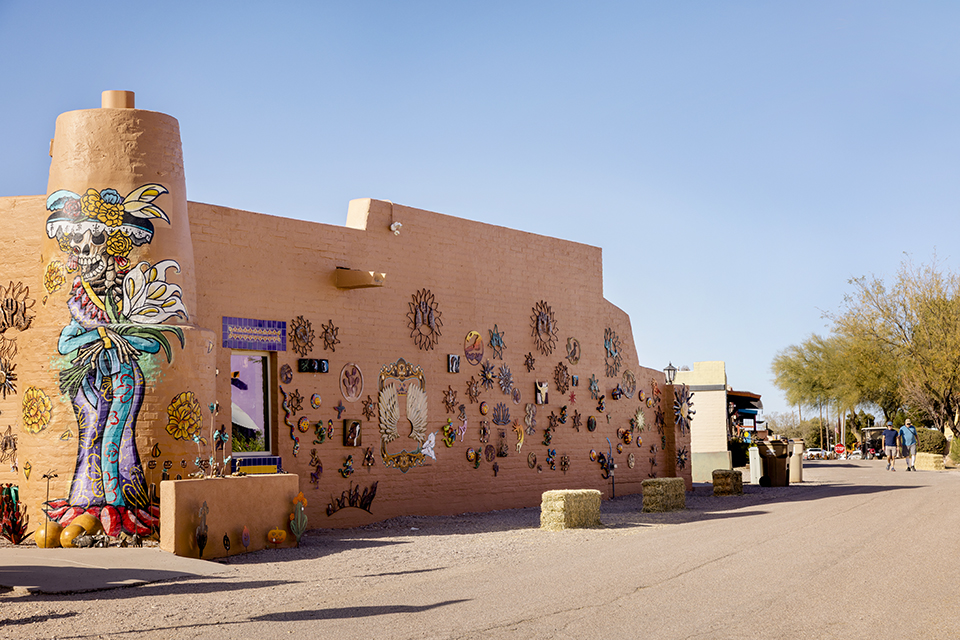
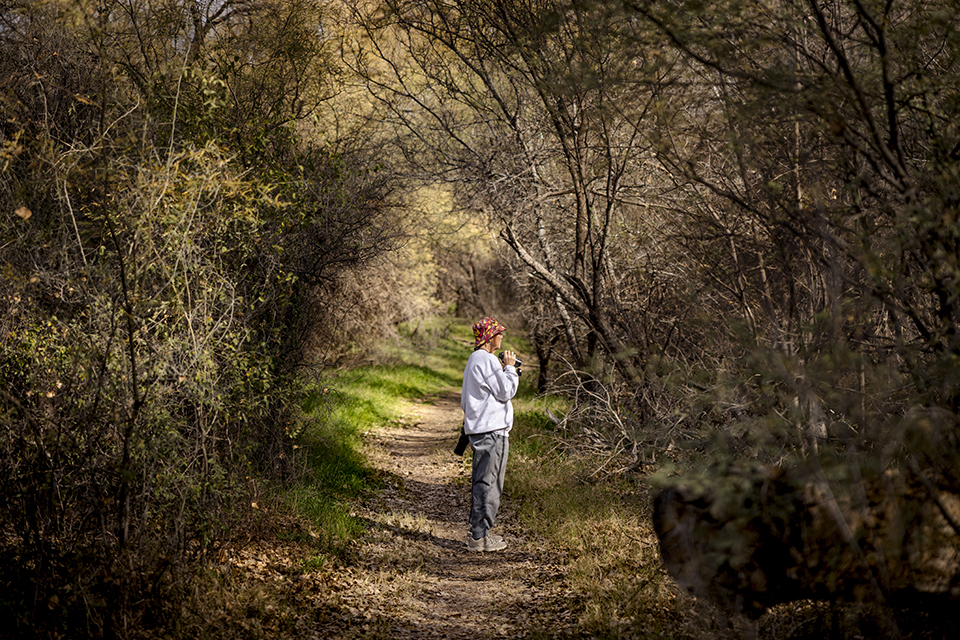
In addition to history and arts lovers, Tubac is a destination for golfers and birders. “It’s a walking village,” Topping says. “It’s only three streets. It’s filled with wonderful galleries and good restaurants and the presidio. It’s history here. The Juan Bautista de Anza National Historic Trail goes right through here. People walk the trail, they ride horses. The Tubac Nature Center is here, and people come from all over to watch hawks. You’re never bored here. There’s always something going on.”
WHERE TO STAY
Tubac Country Inn
This boutique hotel is situated on a half-acre garden property and features six beautifully appointed suites. It’s within walking distance of Tubac’s shops, restaurants and galleries. Fire pits, a garden terrace and a picnic area add to the inn’s allure.
13 Burruel Street, Tubac, 520-349-9888, tubaccountryinn.com
Tubac Golf Resort & Spa
Hacienda-style casitas, a 27-hole golf course and a full-service spa are the draws at this elegant resort. Located on a historic Spanish land grant from the 1700s, the resort also features Stables Ranch Grille, where chefs source local ingredients and create top-tier menu items for guests.
65 Avenida de Otero, Tubac, 520-398-2211, azhideawaycollection.com/tubac-golf-resort-spa
WHERE TO EAT
Elvira’s Restaurant
This award-winning restaurant fuses traditional Mexican flavors and techniques with modern appetites. Among the menu items chef Ruben Monroy offers diners are chile relleno en chipotle, an egg-coated Anaheim chile covered with Mexican queso and chipotle sauce and served with rice and a slice of roasted wild turkey; cuitlacoche and chicken tacos; and mole poblano, a popular mole made with Mexican chocolate, peanuts, chiles, sesame seeds and cinnamon.
2221 Interstate 19 Frontage Road, Tubac, 520-398-9421, elvirasrestaurant.com
Soto’s PK Outpost
For more Southern Arizona Mexican food, Soto’s Outpost is known for its margaritas, fajitas, mole and carne deshebrada. Family- run for the past 20-plus years, it’s also well known for its extensive patio, which is packed during the cooler months.
14 Camino Otero, Tubac, 520-398-3256, sotospkoutposttubac.com
ATTRACTIONS
Tubac Presidio State Historic Park and Museum
Among the things to explore at Tubac Presidio are historic buildings, a museum with exhibits covering 2,000 years of history — including Tohono O’odham, Apache, Mexican, Spanish and Territorial — an art gallery, and ruins of the Spanish fort from the mid-1700s. The park and museum are open Tuesdays through Sundays.
1 Burruel Street, Tubac, 520-398-2252, tubacpresidio.org
Hal Empie Studio and Gallery
This Tubac destination celebrates the life of famed Arizona artist Hal Empie, who was born in 1909 and, when he passed in 2002, was the oldest continuous resident artist in Arizona. (He was also the state’s youngest pharmacist.) A gallery features dozens of Empie’s original paintings and sketches, and tours of the artist’s studio are available.
33 Tubac Road, Tubac, 520-398-2811, halempiestudio-gallery.com
Wickenburg
Founded: 1863
County: Maricopa and Yavapai
Population: 7,474
Elevation: 2,202 feet
High School Mascot: Wranglers
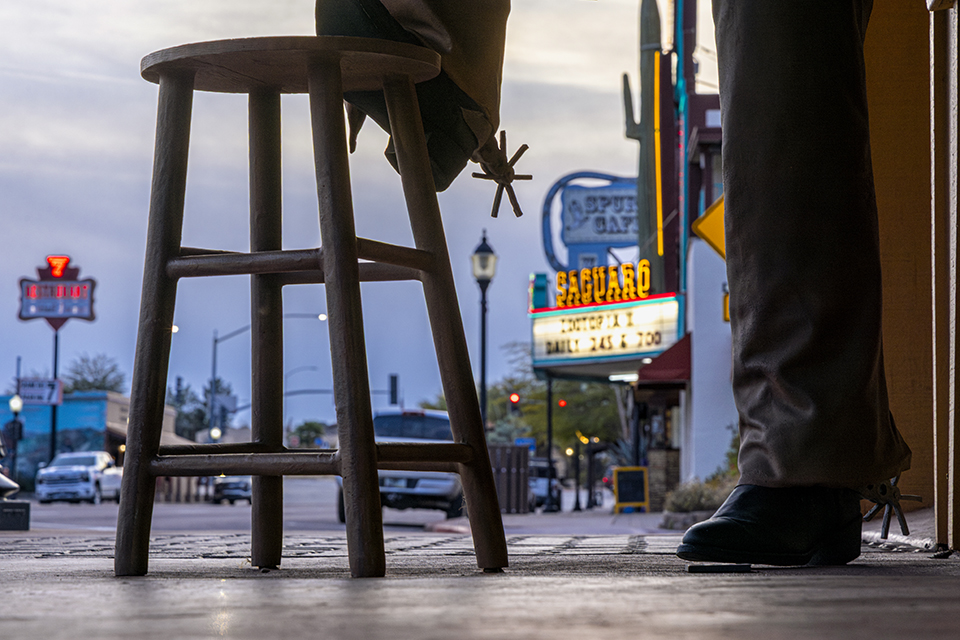
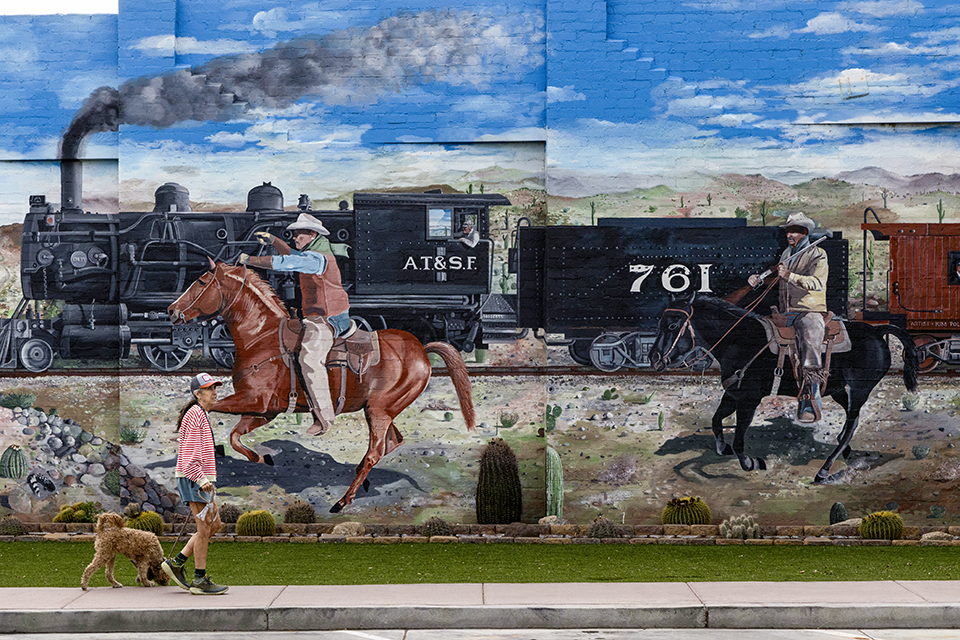
Like many small towns across Arizona, Wickenburg’s history is rooted in mining. German prospector Henry Wickenburg founded the town in 1863, after he discovered gold at the nearby Vulture Mine. The discovery led to an influx of miners and ranchers, drawn to the verdant Hassayampa River and the wide-open spaces that characterize the area.
The Vulture Mine became one of Arizona’s richest gold producers, but the challenges of desert extraction and near-constant fluctuations in prices meant that Wickenburg experienced the booms and busts typical of mining towns. Eventually, ranching — both cattle and dude — became the primary industry there.
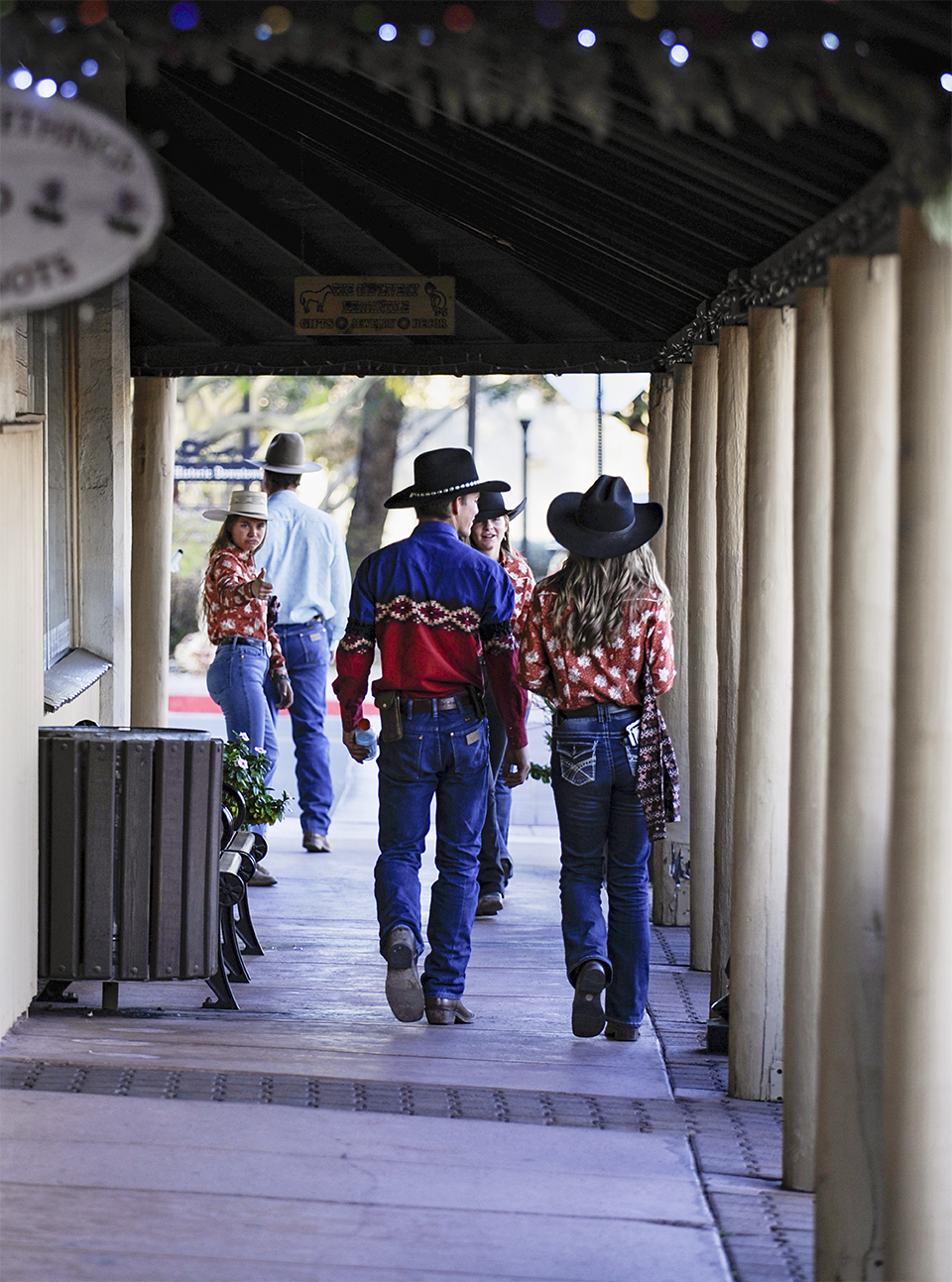
“My family started coming out to one of the big guest ranches here, Rancho de los Caballeros, when I was 3, and I just fell in love with Wickenburg,” says Caroline Markham, who recently retired after 33 years as a wrangler at the ranch, where she was known as “The Singing Cowgirl.” Markham has a master’s degree in vocal performance from Northwestern University and won two Grammy Awards with the Phoenix Chorale.
“I knew Wickenburg like the back of my little hand,” she recalls, “from going to the T&S Variety — where we’d buy wax lips that tasted like cherry and little caps for our cap guns — and, of course, Longhorn Western Wear, where I got my first cowboy hat. Everyone was so friendly.”
Today, the town works to preserve its Western heritage while looking to the future. As more and more people are drawn to the area, the town is expanding, with traffic circles and housing developments popping up along the major thoroughfares. The historic downtown, though, is anchored by restaurants, bars and museums, including the Sigler Western Museum.
“It’s grown,” Markham says. “We’re busy from October to April with team ropers, because we are now the team roping center of the Southwest during the winter. And it’s busier. But it still feels the same. In the downtown area, where the shopping is, there have been a few small changes, but the landmarks are all still here. I’ve been coming here for 65 years, and I’ve lived here for 35 years, and it still feels like the same town to me.”
WHERE TO STAY
Rancho de los Caballeros
Whitewashed casitas pepper the landscape at this historic guest ranch, which opened in 1948. Among the amenities available to guests are tennis, pickleball, golf, a world-class spa, fine dining, horseback riding, archery, and skeet and trap shooting. The ranch is situated on 18,000 acres of pristine Sonoran Desert landscape and is consistently named a Condé Nast Traveler Reader’s Choice winners for best dude ranch.
1551 S. Vulture Mine Road, Wickenburg, 928-684-5484, ranchodeloscaballeros.com
Kay El Bar Guest Ranch
In 1909, Romaine Lowdermilk homesteaded the land on which the Kay El Bar now sits. The large adobe lodge that guests enjoy today dates to 1926, and the ranch offers horseback riding, sport shooting, 3D archery and guided ATV tours, along with a pool and hot tub and fine dining.
2655 S. Kay El Bar Road, Wickenburg, 928-684-7593, kayelbar.com
WHERE TO EAT
Hassayampa Smokehouse BBQ
At Hassayampa Smokehouse BBQ, there’s a hierarchy of flavor superiority. At the top is the king of all barbecue cuts: brisket. “The brisket is absolutely the best item on the menu,” co-owner Michael Richey says. “It’s the item I worked the hardest on, and I’m very proud of how it’s come out. The Reuben is a close second. We smoke the corned beef in-house and have had amazing feedback about it. We recently added burnt ends, which are quickly becoming one of the top-selling items, and we do ‘Brontosaurus Ribs,’ on Friday and Saturday for dinner, that are amazing — we run out almost every weekend.”
169 E. Wickenburg Way, Wickenburg, 928-684-6123, hassayampabbq.com
Spurs Café
The menu at Spurs Café is simple — loaded omelettes, breakfast bowls and Benedicts, along with fresh salads, burgers, sandwiches and chili. But what most people, tourists and locals alike, love about Spurs is its exceptional service and down-home decor.
172 E. Wickenburg Way, Wickenburg, 928-684-8777, spurscafe.com
ATTRACTIONS
Hassayampa River Preserve and Vulture Mountains Recreation Area
After more than 25 years as a Nature Conservancy property, the 770-acre Hassayampa River Preserve was recently integrated into the
71,000-acre Vulture Mountains Recreation Area, which is overseen by Maricopa County’s Parks and Recreation Department. The result is expanded protection for the countless desert species that inhabit the area, including more than 300 bird species. Visitors can camp, hike and participate in guided activities.
49614 U.S. Route 60, Wickenburg, 928-684-2772, nature.org
Sigler Western Museum
Formerly Desert Caballeros Western Museum, the Sigler highlights the history and artistry of the desert Southwest and hosts an annual, juried, all-women show, along with permanent exhibits that feature artists such as Charles Marion Russell, Gerard Curtis Delano and Frederic Remington.
21 N. Frontier Street, Wickenburg, 928-684-2272, westernmuseum.org