
Latest Stories

From the Issue

EXPLORE ARIZONA
PHOTOGRAPHY
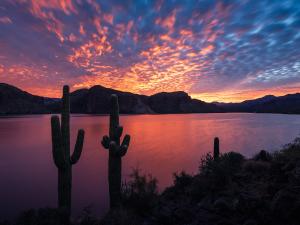
Photo of the Day
Photographer: Jim Dell
Photo Contest
Take your best shot! The 19th Annual Arizona Highways Photo Contest is now underway.
Photo Editor Forum
Some of our best known contributors tell the story behind an iconic image from their body of work.
Submit A Photo
Use our submission form to send us your Global Snapshots or images for Photo of the Day consideration.

Global Snapshots
Send us a snapshot of you or someone you know posing with our magazine, and we'll post it right here!



Shop Arizona Highways
Explore Arizona Highways' selection of books, calendars, accessories, home décor and more.
AUDIO & VIDEO








In Depth
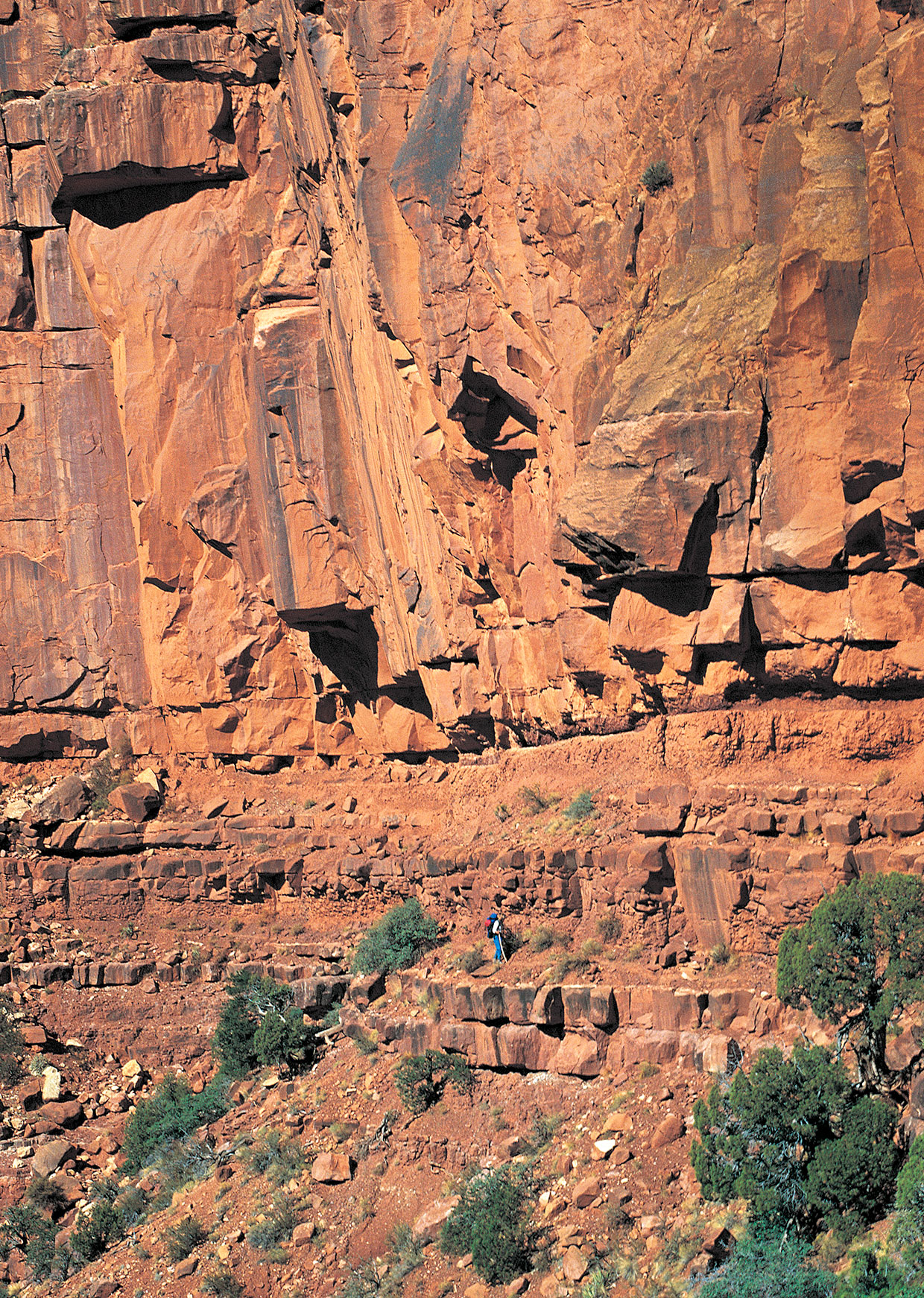
Don’t look down,” I mutter to myself as I look down. My stomach plummets at the dizzying view, and a chill shoots to my feet. I’m standing on a sloped, gravelly trail, inches from a 400-plus-foot plunge. Below, more sheer strata and screes descend like a wedding cake. My 40-pound backpack scrapes the rust-hued cliff, on my left, that rises 2,000 feet toward a dark-turquoise sky. In the distance, the “V”-shaped canyon below me opens to an immense, butte-studded landscape hiding the Colorado River in its depths. An obsidian raven floats past on a gentle updraft, its wings reflecting iridescent blue in the November Arizona sun.
I’m hiking Grand Canyon National Park’s Nankoweap Trail, an unmaintained 11-mile route that winds like a rattlesnake from the North Rim to the Colorado River. It drops nearly a vertical mile from the trailhead (7,640 feet) to the Colorado (2,760 feet). Just to reach that trailhead, at the national park boundary, requires an additional hike of 3 or 3.5 miles, depending on your route, through the rugged Saddle Mountain Wilderness. I’ve reached the...
History, Nature & Culture
History
Nature